
Telegram did not emerge as just another messaging app. It was born as a response. A response to control, censorship, and the growing feeling that the internet is ceasing to be a free space. The history of Telegram is a story of resistance, technical stubbornness, and strategic decisions that ultimately transformed the messenger into one of the most influential platforms in the world by 2026.
//The Beginning: A Personal Conflict and a Big Idea
In 2013, Pavel Durov was already known as the creator of "VKontakte." But it was during this period that he realized: a large digital product cannot be developed freely if it depends on the state or investors with political interests. Pressure, demands to hand over user data, and conflicts with authorities led Durov to leave the company.
The idea for Telegram was born not in boardrooms or investor presentations. It arose from a personal necessity — to have a communication channel that could not be controlled from the outside. Together with his brother Nikolai Durov, he began to create a messenger based on a simple yet radical thought: messaging should belong only to those who communicate.
//Technology as a Weapon of Independence
From the very beginning, Telegram bet on technology. Nikolai Durov developed the MTProto protocol — a proprietary data transmission system focused on speed and security. This solution was often criticized, but it allowed Telegram to scale faster than its competitors and operate reliably even under blockages.
Telegram did not store messages in one place, did not tie itself to one country, and did not depend on specific data centers. The architecture of the project resembled a nomadic system — flexible, distributed, and resilient to pressure.
//The First Years: Distrust and Loneliness
At the start, Telegram looked strange. It had no ads, investors, or a clear business model. Many wondered: "How does it even survive?" The answer was simple and unusual — the project was personally funded by Pavel Durov.
Users did not immediately believe in Telegram. WhatsApp was already installed on almost everyone's phones, Viber was actively developing, and later Signal appeared with a strong focus on security. Telegram, however, seemed too "ideological" and unfamiliar.
But that was precisely its strength.
//Blockages, Pressure, and the Streisand Effect
A real turning point occurred when Telegram began facing attempts at blockages in various countries. The most famous conflict was in Russia, where authorities demanded encryption keys. Telegram refused.
IP address blockages began, mass failures of third-party services, and attempts at technical pressure. But the result was the opposite: Telegram not only did not disappear but also received a massive influx of new users. People began to install it "on principle."
Telegram suddenly became a symbol of digital resistance.
//From Messenger to Media Platform
Gradually, Telegram began to go beyond ordinary messaging. Channels emerged — a tool that forever changed the media landscape. Anyone could create their own media outlet without editorial teams, licenses, or algorithms that decide who gets to see the content.
Channels became an alternative to news websites, blogs, and even television. Politics, economics, humor, insider information, analytics — all of this found a home in Telegram.
Unlike its competitors, Telegram did not interfere with content directly, leaving authors maximum freedom.
//Bots, Automation, and a New Ecosystem
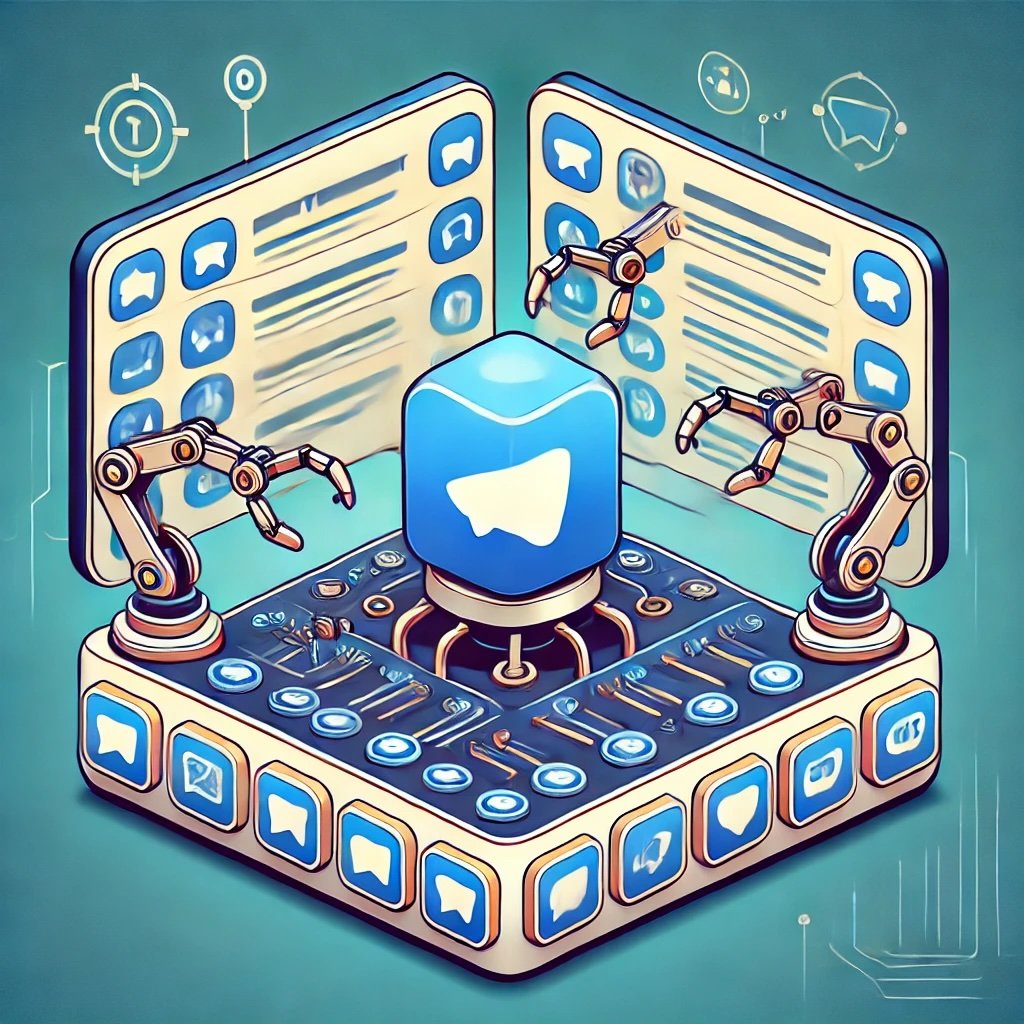
The next step was bots. Telegram opened its API and effectively allowed developers to build businesses within the platform. Services, stores, analytics, games, and paid subscriptions emerged.
By 2026, Telegram had become one of the most convenient platforms for automation. Channel administrators use bots for publishing, analytics, content collection, and audience engagement. Solutions like Telematic.pro allow Telegram channels to transform into automated media systems with minimal human involvement.
Telegram ceased to be just an app. It became an infrastructure.
//Competitors and Why They Could Not Replicate the Success
WhatsApp remained a messenger for personal communication. Signal became a niche product for privacy paranoids. Discord turned into a complex tool for gamers and communities. None of them managed to combine simplicity, scale, freedom, and content tools as Telegram did.
Telegram did not fight for everyone at once. It simply provided people with tools — and allowed them to decide for themselves how to use them.
//Telegram Today and Tomorrow
By 2026, Telegram is:
- a global media platform
- a tool for business
- a space for independent authors
- an ecosystem of Mini Apps and services
- one of the few platforms without a total algorithmic feed
The future of Telegram lies in even greater personalization, the development of AI tools, the growth of the creator economy, and its transformation into a full-fledged super app.
//Conclusion
Telegram started as a personal project of two brothers. Without an office, without investors, without guarantees of success. It survived under pressure, grew against expectations, and became a place where one can still speak freely.
And perhaps that is why Telegram continues to grow when other platforms are losing trust.